


CYBERJAYA – Malaysia is facing a shortfall of more than 16,000 cybersecurity professionals, but efforts are underway to not only plug the gap but build a more inclusive and robust cyber ecosystem.
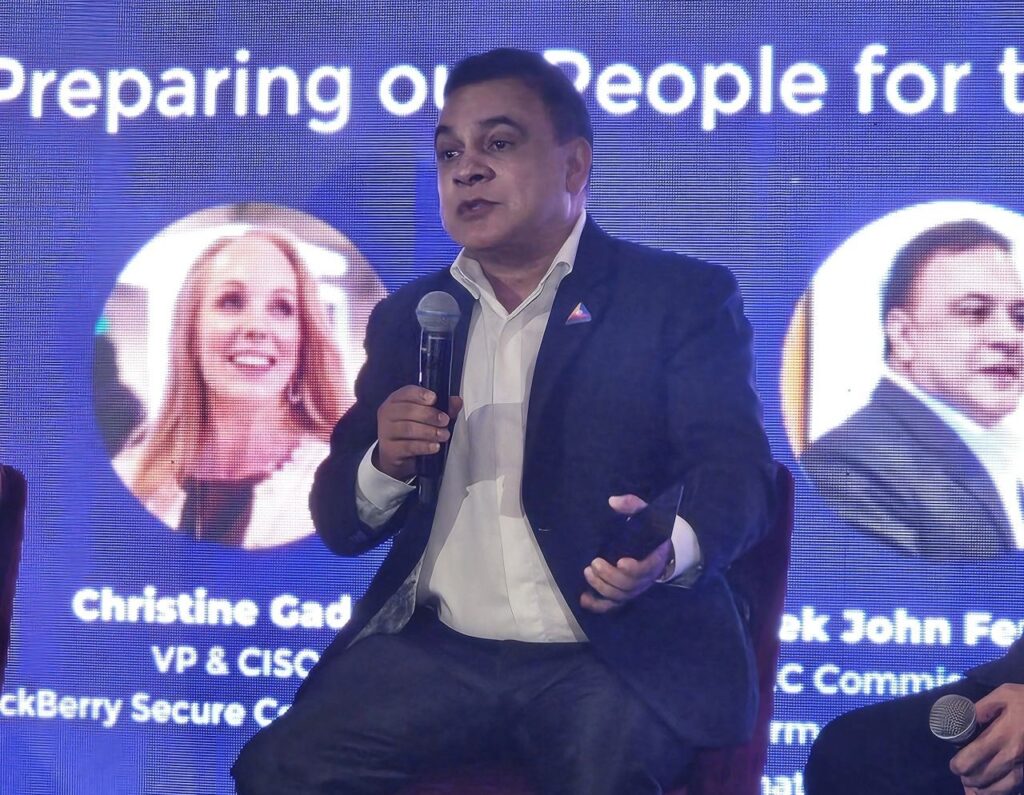
At a panel discussion titled “The Future of Cybersecurity: Preparing Our People for the Next Generation” held in conjunction with the first anniversary of the Malaysia Cybersecurity Centre of Excellence (CCOE), Malaysian Communications and Multimedia Commission (MCMC) Commissioner Derek Fernandez said the region was acutely aware of the need to act.
Fernandez, who also chairs MCMC’s Online Harms and Information Security Committee, said all Asean nations recognise the urgency of upgrading training programmes across all levels of society.
“All Asean nations recognise the importance of upgrading and adapting training programmes at every level of society,” said Fernandez, who has chaired regional forums involving regulators from across Southeast Asia.
“From the average person trying to protect their savings, to agencies guarding critical infrastructure – everyone needs the right tools and knowledge.”
Joining him on the panel were BlackBerry vice-president and chief information security officer Christine Gadsby, and EC-Council cybersecurity executive director Dr Meisam Eslahi. The session explored how public-private partnerships can better equip Malaysians for future cyber threats.
One year ago, MCMC launched the CCOE with BlackBerry, supported by both the Malaysian and Canadian governments. That partnership has now grown to include cybersecurity certification body EC-Council, which will assist in expanding programme offerings.
“The centre now brings together serious practitioners and educators, and we’ve offered scholarships to Asean regulators to train here,” he said, calling it a strategic mix aimed at addressing current needs.
Importantly, all government-sector participants are eligible for free training and certification through the CCOE’s partnership with BlackBerry – a benefit that Fernandez hopes will gain wider recognition.
“A course that costs about RM16,000 is fully funded. But you must ‘ada minat lah’ – have genuine interest. We can’t have people sign up and drop off,” he said.
He also revealed plans to propose that certifications from the CCOE be recognised for career progression within the public sector, including promotions and salary increments – something he hopes the private sector will also adopt.
Beyond technical skills, Fernandez stressed the need for better public education and policies to protect everyday Malaysians, especially against scams.
“It’s our duty to defend all citizens, whether fast or slow, from foreign and local threats,” he said, highlighting his longstanding push for a 48-hour cooling-off period to curb financial fraud.
“I’ve been fighting for that for three years. Some countries have adopted it, but here we’re still stuck at 12 hours. We need that buffer so banks can freeze suspicious transactions before your money disappears.”
As CCOE celebrates its first year, stakeholders say the centre must now focus on scaling efforts – both to meet the immediate talent shortage and to ensure everyday users are not left behind in an increasingly complex digital world. – May 8, 2025