

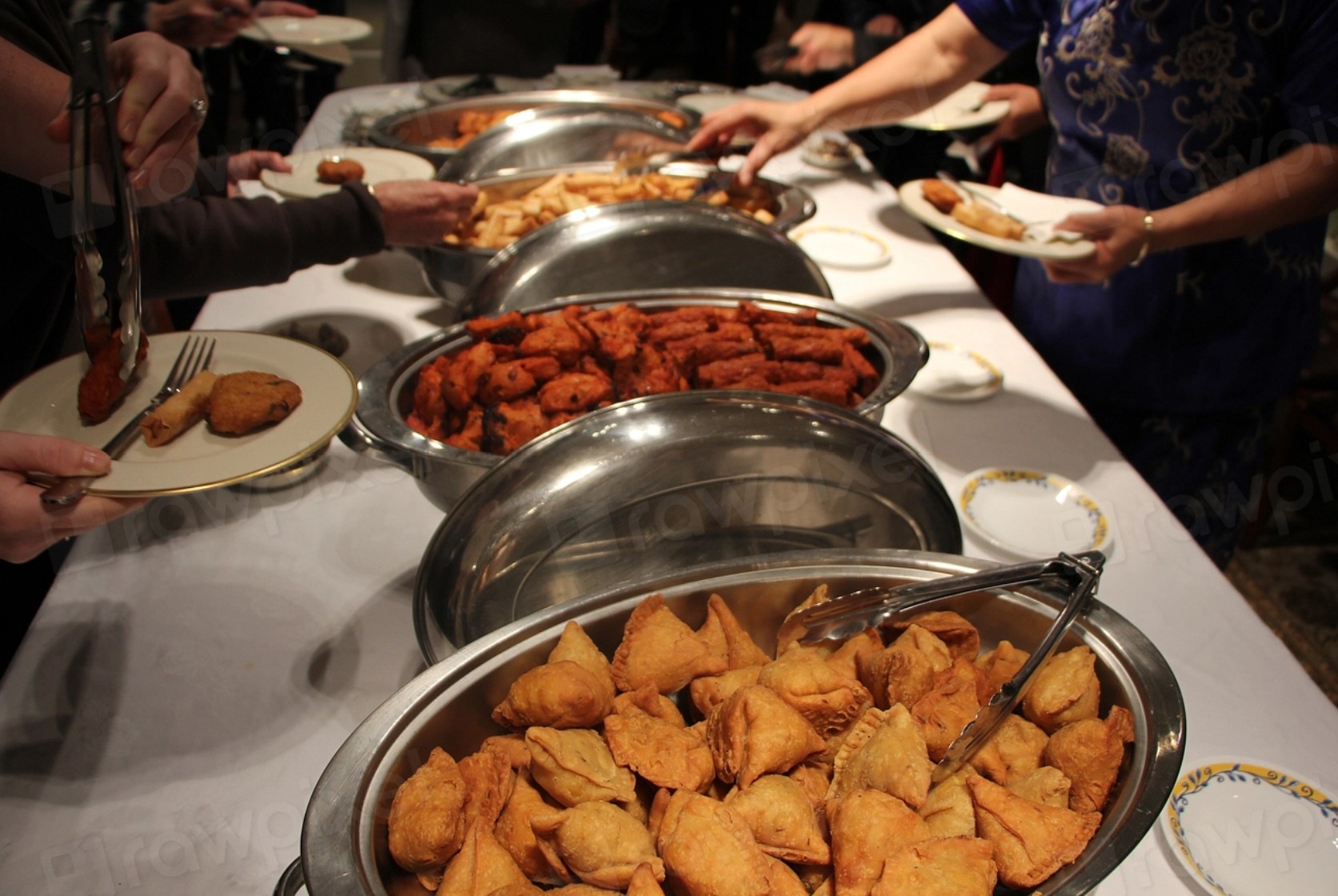
KUALA LUMPUR – As Ramadan approaches, Malaysia’s hotels and restaurants are once again offering extravagant iftar buffets, with prices reaching into the hundreds of ringgit.
This growing trend has sparked discussions about consumer spending habits, social pressures, and whether the indulgent culture surrounding Ramadan dining aligns with the month’s core values of restraint and modesty.
Federation of Malaysian Consumers Associations (Fomca) chief operating officer Nur Asyikin Aminuddin emphasised that Ramadan buffets are not a necessity but more of a personal indulgence.
“A Ramadan buffet is not a basic necessity; it is more of a personal want or indulgence,” she explained.
She noted that the growing demand for expensive buffets is largely driven by lifestyle choices, not actual dietary needs.
“Since there are many buffet options at different price levels, consumers should focus on being wise and spending within their means,” advised Nur Asyikin.
According to the COO, the fear of missing out (FOMO) also plays a significant role in the surge of demand.
“These pressures often lead to excessive spending on experiences that are not basic necessities, encouraging consumption beyond one’s actual needs and financial means,” she said.

The rising popularity of such buffets raises concerns about excess, especially during a month known for spiritual reflection and restraint.
Nur Asyikin pointed out that the lavish spreads encourage food wastage, which contradicts the very values of moderation and self-discipline that define Ramadan.
“Excessive spending on premium Ramadan buffets, offering an abundance of food that cannot realistically be consumed, directly encourages food wastage,” she said.
Despite the criticisms, some consumers justify the high prices, considering the buffets a special treat for the occasion. “While some may view Ramadan buffets as a once-a-year indulgence, the reality is they have become a normalised activity during the fasting month,” she noted.
Beyond the price tags, buffet-style dining inherently fosters food waste. “Buffet-style dining contributes to higher levels of food waste because it encourages over-selection and excessive consumption,” Nur Asyikin added. She stressed that during Ramadan, excess is unnecessary.
“Our bodies do not require large amounts of food; more often, it is desire rather than necessity that drives us to choose lavish buffet meals.”
In conclusion, while Ramadan buffets are a choice, they come with ethical, financial, and environmental consequences. Consumers are urged to resist unnecessary indulgence, make mindful spending choices, and realign their consumption habits with the core values of moderation and mindfulness that Ramadan embodies. – February 3, 2026