

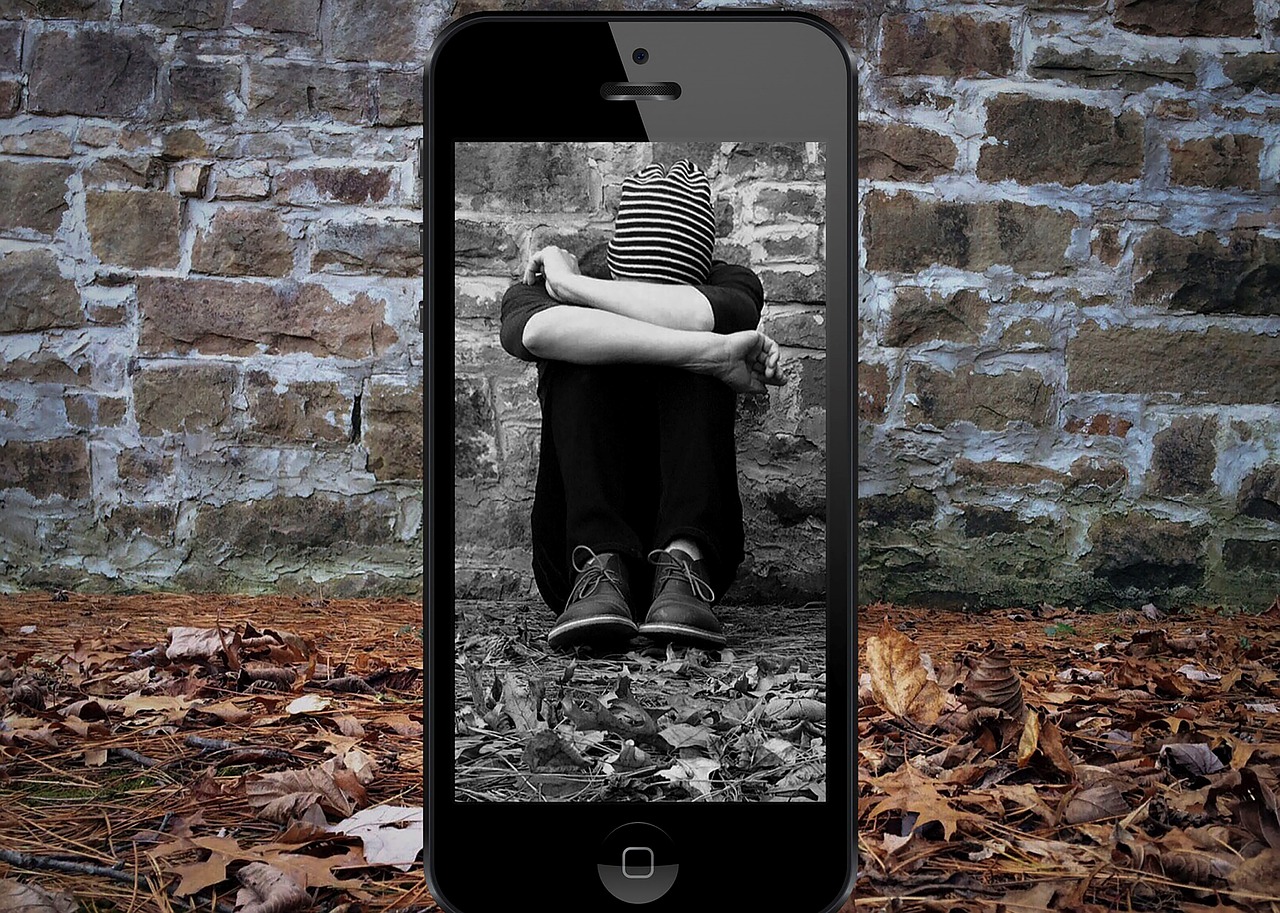
THE recent fatal fall at Klang Parade on July 31 has once again shocked the community. Apparently a staff of a bank.
It is also a sobering reminder that this is not the first publicly reported fatal fall at the shopping complex. Similar incidents have been reported in 2019 and 2021, raising an important question: are we doing enough to prevent the next tragedy? While every case has its own circumstances, repeated incidents at the same location deserve careful attention.
Around the world, locations associated with recurring suicides are often reviewed for enhanced preventive measures, including higher safety barriers, crisis hotline signage, staff training to identify people in distress, improved surveillance, and coordinated emergency response protocols.
The issue extends far beyond a single shopping mall. Malaysia continues to face a significant mental health challenge. Official data shows that suicide deaths increased from 641 in 2020 to 1,068 in 2023, representing an increase of approximately 67% in just three years.
The suicide mortality rate also rose from 2.0 to 3.2 deaths per 100,000 population over the same period. More recently, police statistics have continued to record more than 1,000 suicide cases annually, demonstrating that the challenge remains persistent. (Department of Statistics Malaysia) Selangor, Malaysia’s most populous state, has consistently recorded the highest number of police reported suicide cases.
While population size is one factor, the figures nevertheless underscore the need for sustained investment in mental health services, early intervention, and community support. The responsibility does not rest solely with healthcare providers. Property owners should regularly review whether physical environments can be made safer.
Employers, particularly in high pressure industries like banks should continually strengthen mental health support, employee assistance programmes, and workplace cultures where people feel safe to seek help. Schools, universities, families, religious institutions, and community organisations all have a role to play in recognising distress before it becomes a crisis.
Every statistic represents a human life. Every life lost leaves behind grieving families, friends, colleagues, and communities asking whether more could have been done.
The conversation should not end when media attention fades. It should begin there. If this latest tragedy leads to stronger prevention measures, better access to mental health care, safer public spaces, and more compassionate workplaces, then perhaps some good can emerge from an otherwise devastating loss.
Because one preventable death is already one too many. We don’t want to write about the oppressed, but we should highlight the oppressor. – August 3, 2026
Omar Wahab is a Scoop reader and concerned Selangor resident