

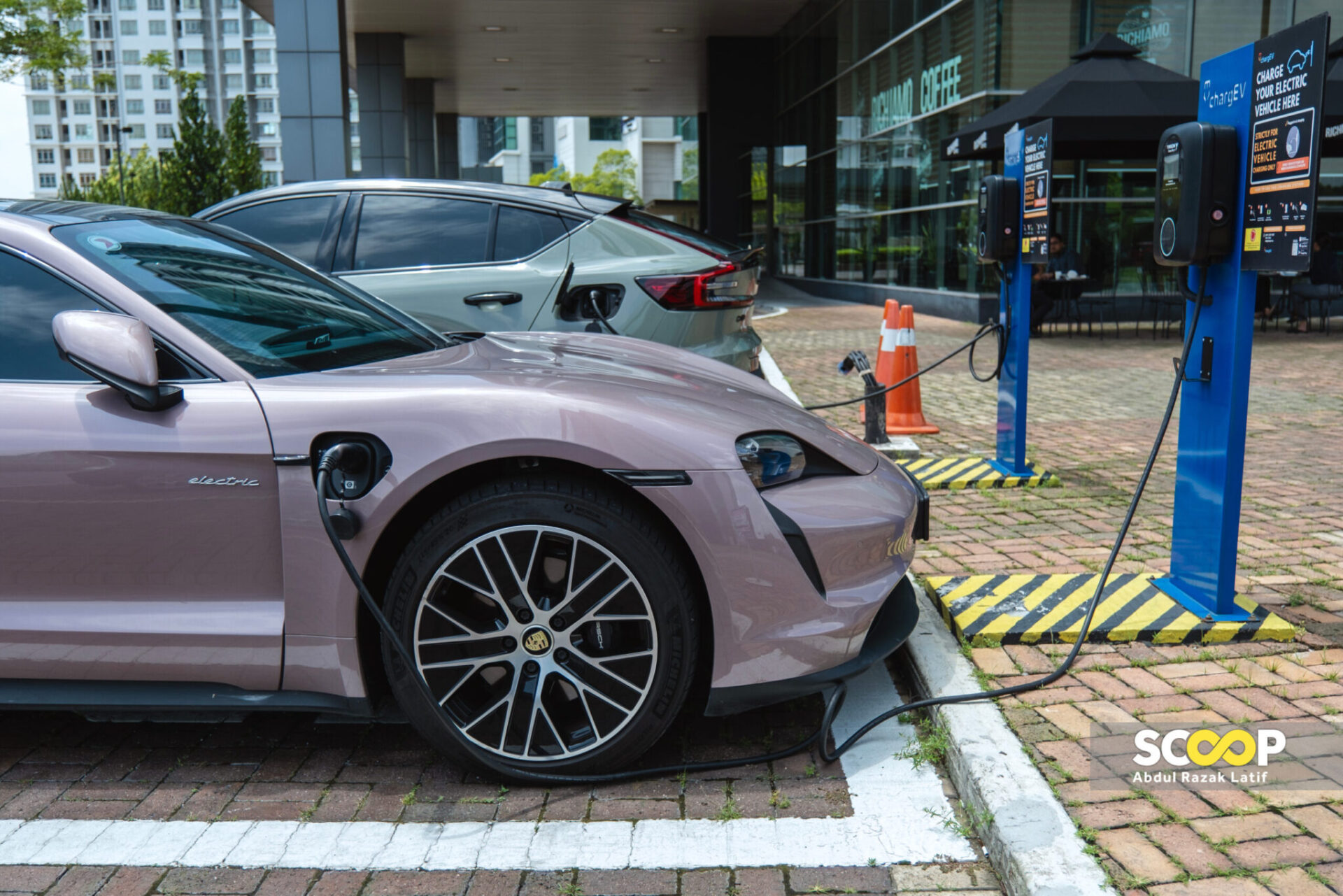
KUALA LUMPUR – The proposal to impose a charge on every electric vehicle (EV) sold to finance the development of a public charging network is inappropriate and could potentially increase the cost of purchasing EVs.
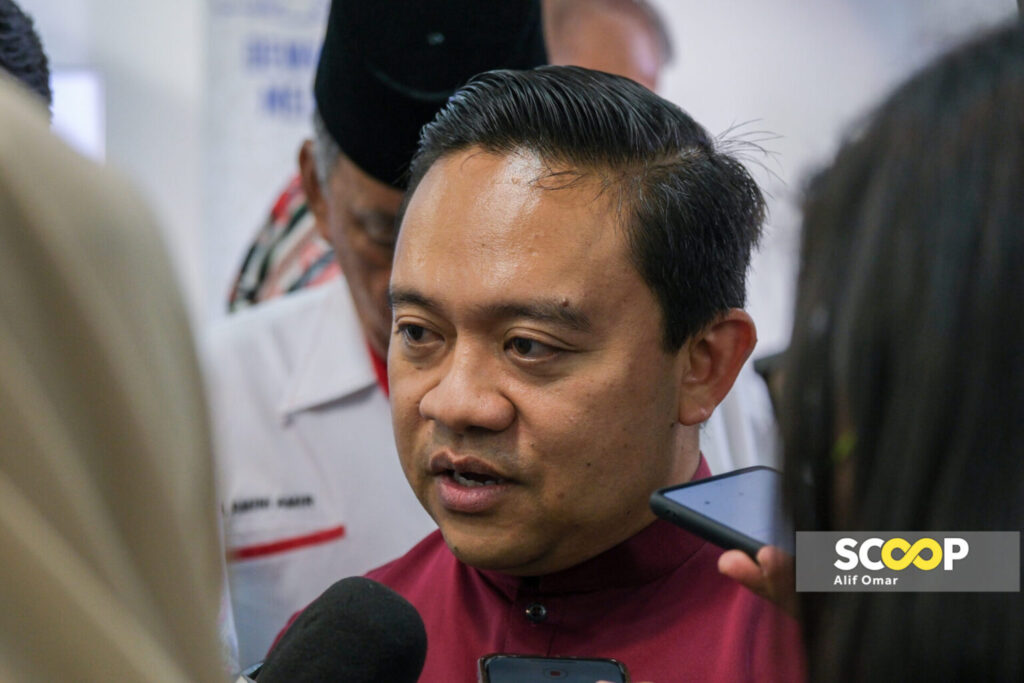
Tasek Gelugor Member of Parliament, Datuk Wan Saiful Wan Jan, said the development of an EV charging network should be driven by private sector investment based on government policies, safety guidelines, and incentives, instead of being funded through new charges imposed on EV buyers.
“The proposal would also reduce the affordability for Malaysians to switch to electric vehicles.
“If this happens, the government’s goal of accelerating the transition from fossil fuel usage to cleaner and more sustainable energy will become more difficult to achieve.
“The government should reduce barriers to EV ownership and find ways to lower purchase costs, rather than adding more costs for consumers.
“The principle of ‘Lesser Government in Business’, which was previously highlighted by former Prime Minister Datuk Seri Najib Razak, emphasises that the government should act as a policymaker and facilitator, while the private sector should be the main driver of investment. The government should not become a competitor in the industry,” he said in a statement today.
Investment, Trade and Industry Minister Datuk Seri Johari Abdul Ghani said on 4 August that the government is considering a mechanism to impose charges on every EV sold in order to establish a fund for the construction of public charging networks nationwide.
Johari said the measure is being reviewed due to the government’s constraints in financing large-scale public charging infrastructure development, such as what has been implemented in China.
“Perhaps every EV sold here could be subject to a charge, which would be placed into a fund to build public chargers, without relying on car sellers to do so because that has not happened,” he said.
He made the statement while responding to an additional question from Senator Datuk Leong Ngah Ngah regarding the government’s readiness in facing the increasing adoption of EVs during a question-and-answer session in the Dewan Negara today.
Commenting further, Wan Saiful said Japan has demonstrated that the development of an EV ecosystem can be accelerated through cooperation between the government and private sector by providing incentives for infrastructure investment, without burdening consumers with additional charges when purchasing vehicles.
“I urge the government to reconsider the proposal and focus on policies that do not increase costs for buyers if we want to continue encouraging EV adoption,” he said.
– 6 August 2026