

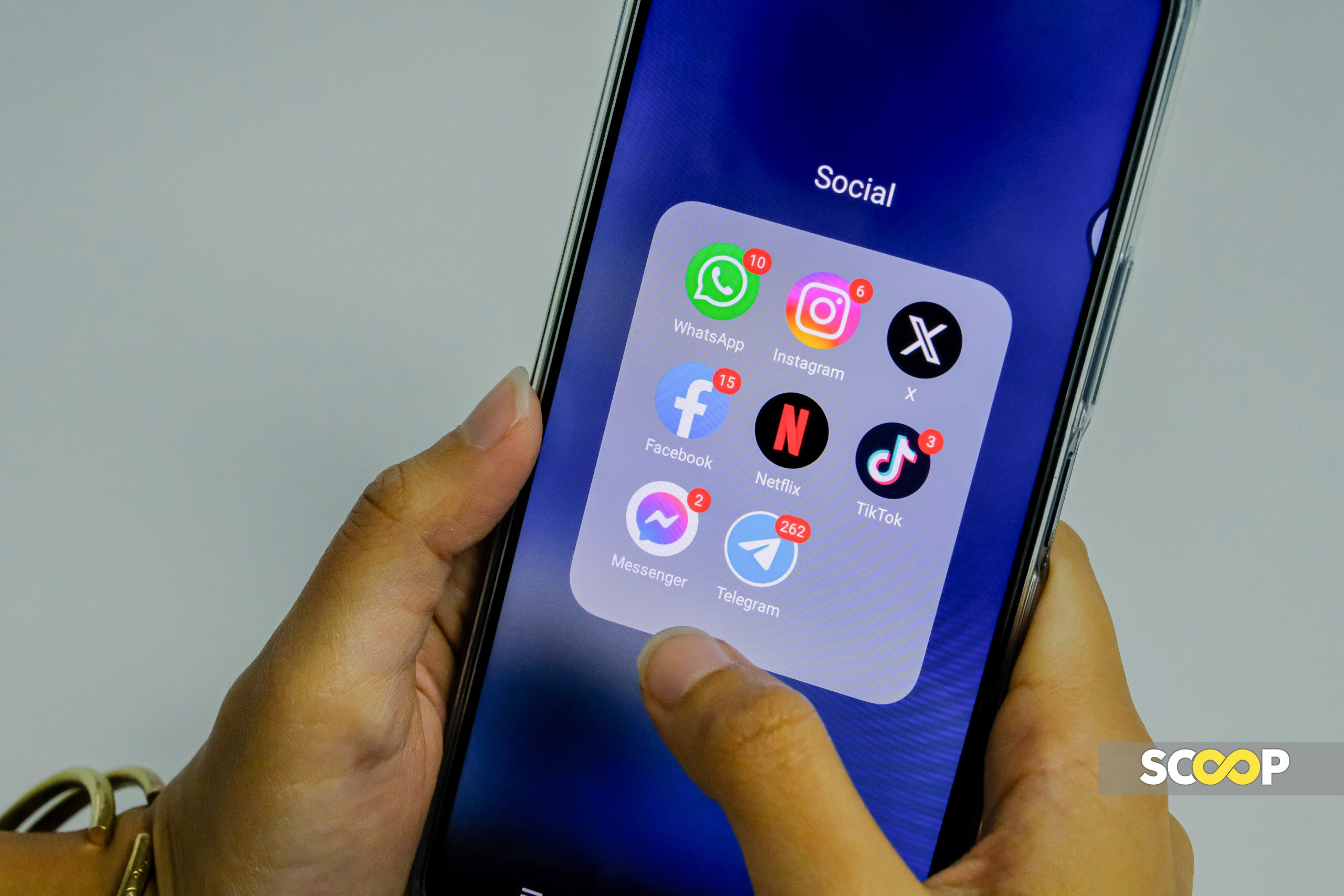
KUALA LUMPUR – Tech giants, including Meta, Microsoft, and TikTok, signed a pledge yesterday to crack down on AI content intended to deceive voters ahead of crucial elections around the world this year.
AFP reported that the accord commits the companies, including Google and OpenAI, to develop ways to identify, label, and control AI-generated images, videos, and audio that aim to mislead voters.
“I think you need all the players, from the source of the generation to the actual consumption by the user involved, and that’s why I think having everybody – 20 companies – sign up for this is so impactful,” Nick Clegg, president of global affairs at Meta, said.
Among the 20 signatories of the deal, presented on the sidelines of the Munich Security Conference in Germany, were also X, formerly known as Twitter, as well as Snap, Adobe, LinkedIn, Amazon, and IBM.
Under the agreement, AI-generated content could be given a watermark or tagged in the metadata at source, although the signatories acknowledged that “all such solutions have limitations”.
The tech companies also said they would also work together to develop ways to “detect and address” deceptive election material on their platforms.
Such content could, for example, be annotated to make it clear that it is AI-generated.
Meta, Google, and OpenAI have already agreed to use a common watermarking standard that would tag images generated by their AI applications, such as OpenAI’s ChatGPT, Microsoft’s Copilot, or Google’s Gemini (formerly Bard).
The pledge comes as big tech companies are under considerable pressure over fears that AI-powered applications could be misused in a pivotal election year.
European Commission vice-president for values and transparency Vera Jourova, who attended the presentation in Munich, said she was pleased the tech companies “agree the technology can pose a risk to democracy”.
Governments, however, “cannot blame big tech for everything”, Jourova said.
“We also have some work to do on our side,” she said, with the European Union preparing for elections to the European Parliament in June.
Recent examples of convincing AI deepfakes have only heightened worries about the easily accessible technology.
Last month, a robocall impersonating United States President Joe Biden was sent to tens of thousands of voters, encouraging them not to vote in the New Hampshire primary.
In Pakistan, the party of former prime minister Imran Khan has used AI to generate speeches from their jailed leader. – February 17, 2024