

KUALA LUMPUR – The Malaysian Anti-Corruption Commission (MACC) has obtained a High Court order to restrain any dealings involving 2.5 million shares of Palantir Technologies Inc., registered under the name of Saudi businessman Tarek Essam Ahmad Obaid.
Judge Datuk Azhar Abdul Hamid granted the order under Section 53 of the Anti-Money Laundering, Anti-Terrorism Financing and Proceeds of Unlawful Activities Act 2001 (AMLATFPUAA) during proceedings at the Kuala Lumpur High Court today.
The application, filed by MACC on September 26, was based on findings that Obaid—better known as Tarek Obaid—had received, transferred and utilised funds misappropriated from 1Malaysia Development Berhad (1MDB) in 2010.
Investigators allege that the funds, channelled into his personal bank account, were later used to acquire Palantir Technologies shares worth USD2 million.
The shares, now estimated to be valued at USD448 million (over RM2 billion), are barred from being sold or traded under the restraining order.
MACC said the action marks a significant step in recovering assets linked to the 1MDB financial scandal. – October 3, 2025
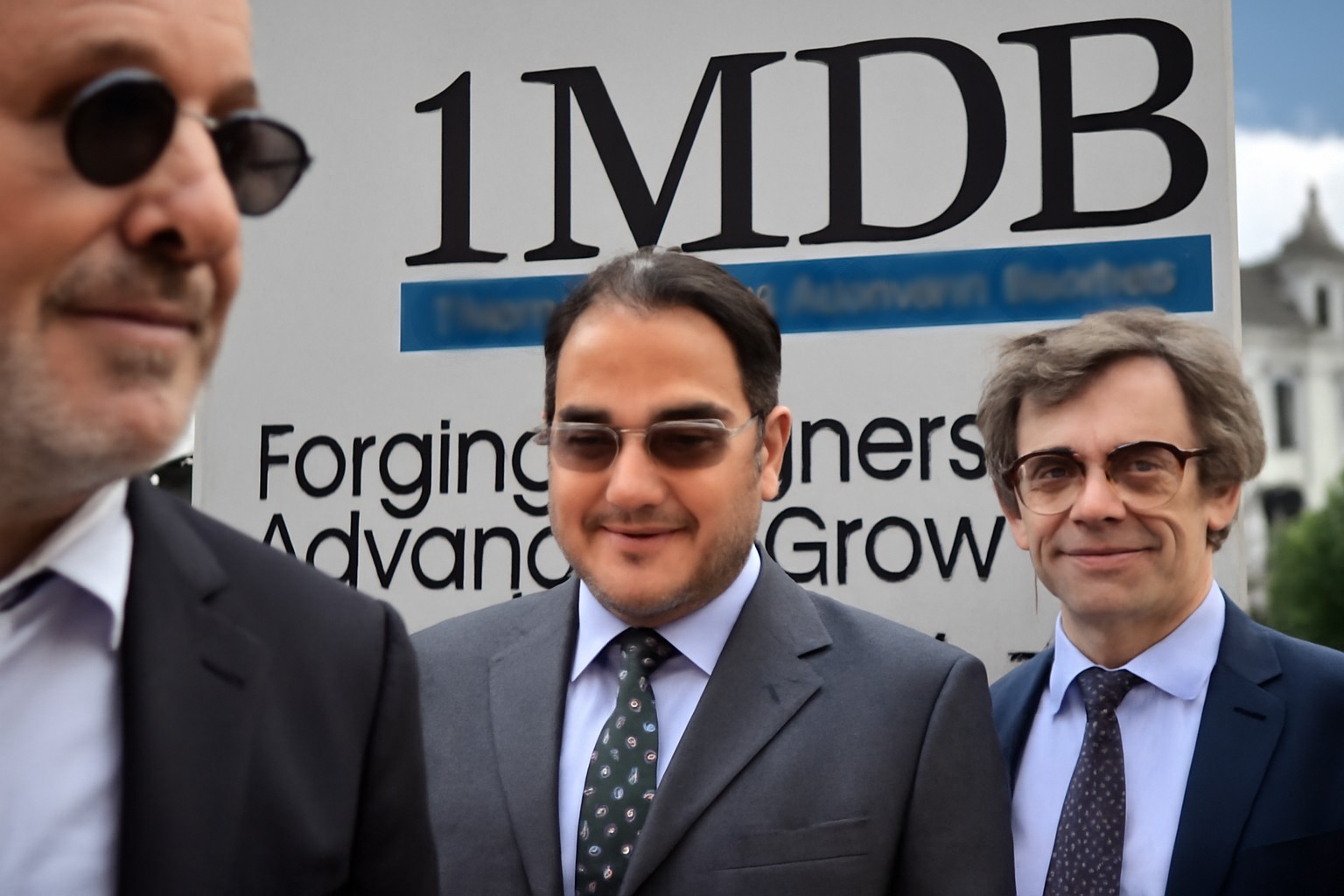
MACC secures court order to freeze RM2b worth of Palantir shares linked to Tarek Obaid
The High Court has granted the Malaysian Anti-Corruption Commission (MACC) a restraining order on 2.5 million shares in Palantir Technologies Inc., allegedly acquired by 1MDB-linked financier Tarek Obaid using misappropriated funds

6:05 PM MYT
Topics