


THE Malaysian government’s use of anonymised mobile phone data (MPD) for policy planning has sparked conversations about data privacy. Critics are raising concerns about the protections in place, while often ignoring the much larger risks associated with commercial applications.
Even though there are guarantees that MPD is collected in an aggregated and anonymised manner, worries about its possible misuse continue to exist.
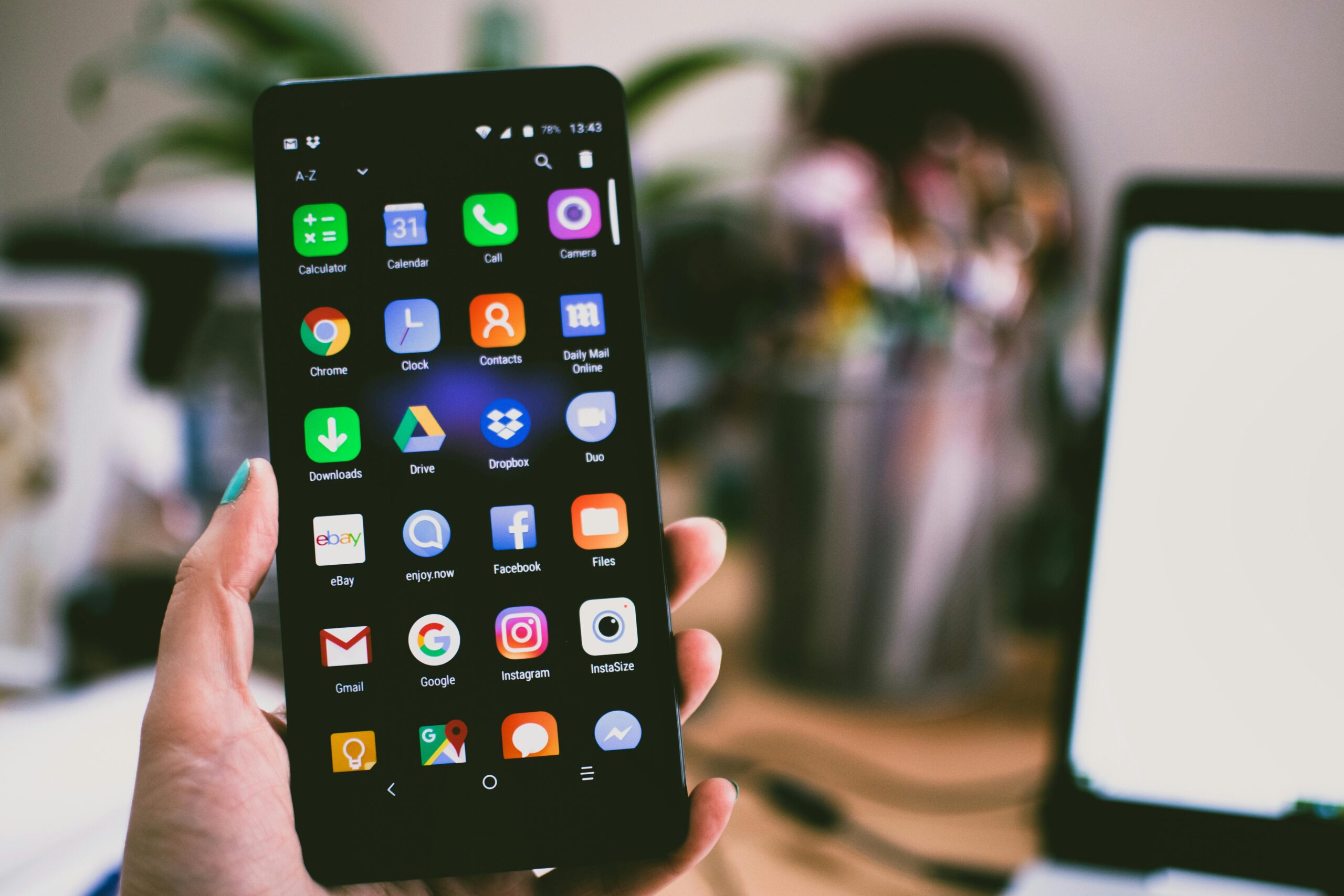
Privacy advocates point out a significant inconsistency: government-supported data initiatives are often examined closely, while common applications—like social media sites and mobile games—frequently gather and profit from sensitive user data with minimal criticism.
Applications such as TikTok and various mobile games monitor users’ locations, contacts, and spending patterns, frequently selling this information to advertisers.
However, when the government utilises anonymised data for national development purposes, the response tends to be overly anxious.
The United Nations has acknowledged MPD as an important resource for enhancing official statistics. They have established a 50-member task force, which includes Malaysia, to incorporate big data into the policymaking process.
The Communications and Multimedia Commission (MCMC) has explained that telecom companies handle MPD internally and only share statistical trends with organisations such as the Department of Statistics Malaysia (DOSM) for purposes related to tourism and ICT planning.
According to Section 73 of the Communications and Multimedia Act 1998, the MCMC has the power to request identifiable user data when needed, which makes the covert “re-identification” of anonymised MPD unnecessary.
Data scientists believe that the chances of re-identifying individuals from anonymised MPD are very low because of encryption and stringent access controls.
In contrast to commercial applications that keep personal information, MPD is handled in secure telecommunications settings without any direct connections to individuals.
As Malaysia moves towards a high-tech economy, experts are encouraging the public to think critically about data privacy issues. If we are willing to accept intrusive tracking from free applications, we should also weigh the advantages of government data usage that is properly regulated.
Telecommunications companies have committed to fully adhering to data protection laws, and the current discussion focuses on whether public trust can match the realities of governance that relies on data.— June 21, 2025
T. Vignesh is an executive editor at Scoop